Bonita Springs Sliding Door Seals for King Tides
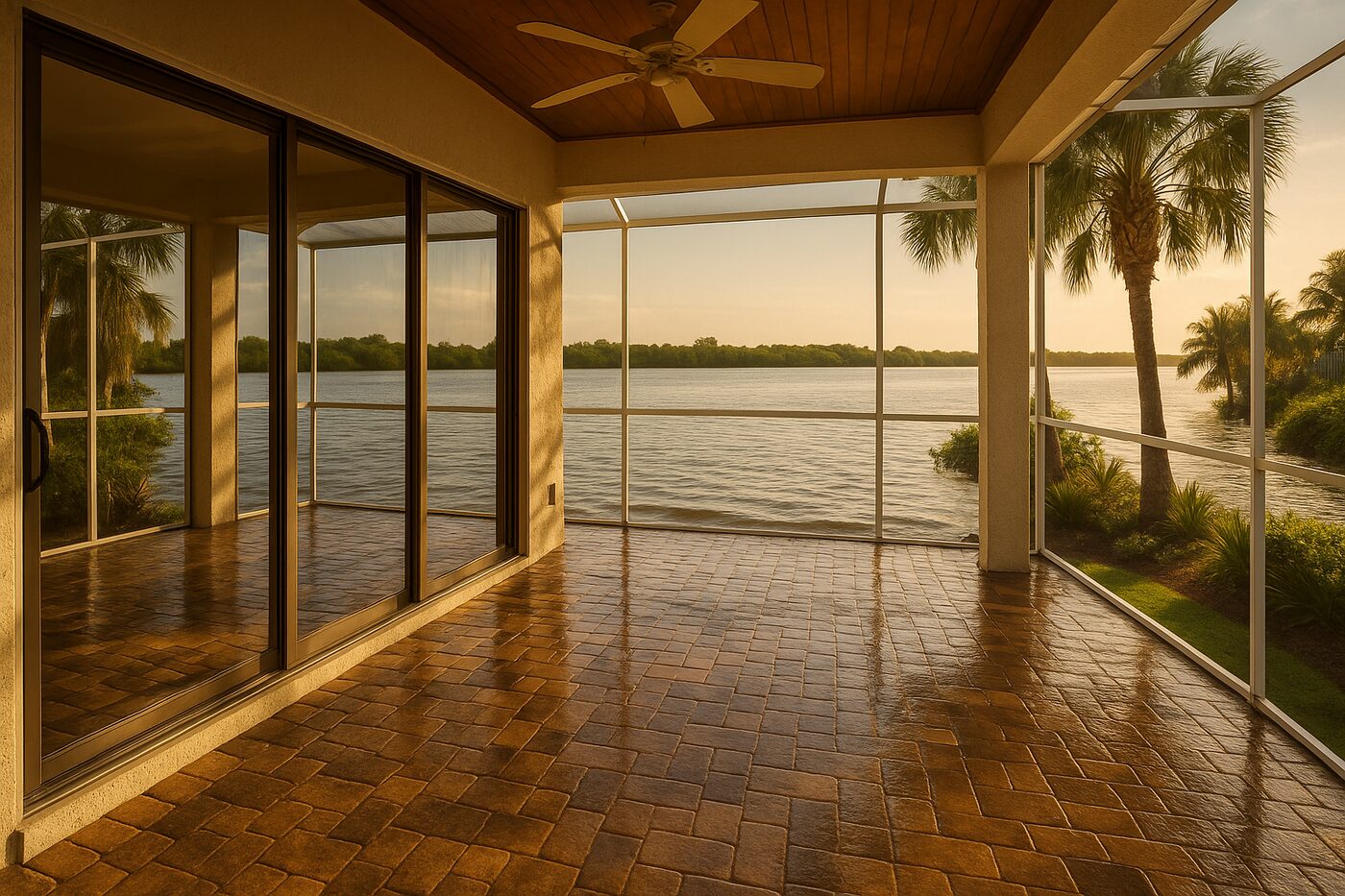
Bonita Springs sliding door seals and weatherstripping take a beating during September king tides. Check bottom bulb gaskets, pile strips, and keeper corrosion now to limit water and salt intrusion. This guide shows what to inspect and where DIY stops.
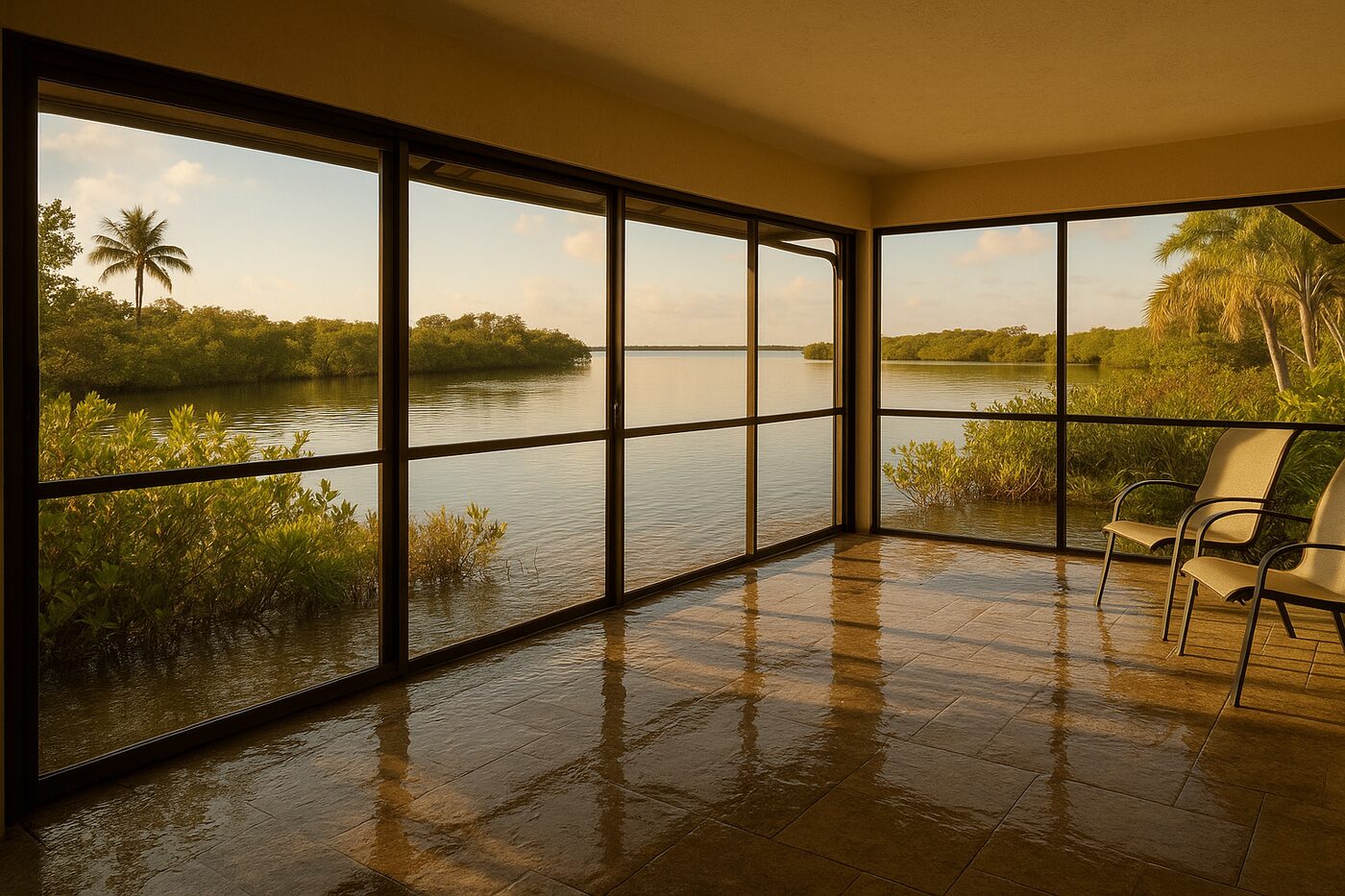
What are king tides in Bonita Springs, and why do they hurt sliding door seals?
King tides are the highest astronomical tides of the year. The South Florida Water Management District notes the first peak window this year around September 8–15, with locally higher highs on the Gulf side during that stretch. See the SFWMD outlook for timing and context: SFWMD 2026 King Tide Season Forecast.
In Bonita Springs, back‑bay splash and wind‑driven salt spray reach lanais and lower tracks more often during these cycles—especially along Bonita Beach and low‑lying edges of Estero Bay. That salt dries into crystals, stiffens pile weatherstripping, flattens bottom bulb seals, and accelerates corrosion on lock keepers and track rails. Doors in seasonal communities like Bonita Bay, Pelican Landing, and Spanish Wells also sit unused for months, so debris compacts in the channel. When king tides arrive, those weak points show up fast.
Link local context:
- City guide: Bonita Springs service area and how HOAs shape exterior work
- Regional climate: Southwest Florida region overview of salt and brackish exposure
Which sliding door seals and weatherstripping fail first here?
- Bottom bulb seal at the threshold: Flattens or splits, then water rides the track and wicks inside. Salt makes rubber brittle; UV on west‑facing lanais speeds it up.
- Vertical pile weatherstripping on the meeting stiles: Pile mats down, gaps open, you feel a salty draft and see misting after storms.
- Interlock fin or “mohawk” inserts (on many units): The thin fin tears; wind‑blown rain finds the gap.
- Threshold caulk and end dams: Gaps at corners send splash under the sill.
- Keeper and strike area: White crust (salt) and orange rust on screws reduce latch engagement.
If you see pitting or a raised ridge on the rail itself, the rollers likely rode metal‑to‑metal. That needs track repair or a cap.
How do I inspect my sliding door seals before the September 8–15 window?
A 10‑minute check catches most problems:
- Clean the track first. Vacuum, then rinse with fresh water and dry. A clean track shows seal failures clearly. See our sliding door tune‑up — it’s a 30–45 minute service when we do it.
- Bulb seal: With the door open, press the bottom gasket. If it’s hard, cracked, or stays flat, note replacement.
- Pile strips: Run a card lightly against the pile. If it’s matted or shedding fibers, air and spray are getting through.
- Keeper: Try the lock with the door rolling freely. If you must lift the panel to latch, corrosion or roller height is off — see lock repair.
- Threshold corners: Look for missing caulk and staining trails toward the interior.
What maintenance can I do myself in salty, humid conditions?
- Flush salt: After a salt‑spray day, rinse the track and outer sill with fresh water, then dry. Don’t leave standing water.
- Debris control: Vacuum sand and lawn clippings from the channel and weep holes.
- Lube correctly: Use a dry silicone on the track edges and guides, never petroleum on rollers. Our full guide: Silicone sliding door lubricant: Florida guide.
- Replace peel‑and‑stick pile only if you can match the profile. Random box‑store strips often leave gaps. When unsure, stop and plan a match.
DIY stops when the panel must come out, when a seal is captured under the panel, or when impact glass weight is involved. Heavy panels and mis‑handled tempered edges can shatter.
When is it beyond DIY and needs a pro in Bonita Springs?
Call for help when you see any of these:
- The bulb seal tucks under the panel edge (requires panel removal).
- Door must be lifted to lock (roller height and keeper alignment together).
- Track is mushroomed or pitted (needs track repair or capping).
- Impact slider feels heavier every month (roller wear). Typical roller replacement runs 45–90 minutes; impact sliders skew longer (60–150 minutes) due to weight and hardware.
- Fogging between panes after salt exposure (failed seal in the glass unit). Glass replacement keeps the frame and, in most cases, avoids permitting.
For seasonal homes, a pre‑return tune‑up catches these early. We wrote a Bonita‑specific checklist here: Bonita Springs Sliding Door Tune‑Up: Pre‑Arrival Guide.
Do HOA or condo rules in Bonita Bay and Pelican Landing affect seal work?
Often. Exterior‑facing materials, finishes, and visible weatherstripping must match. Some boards want brand‑matched parts and pre‑approval for visible caps at the sill. If you’re in a governed community like Bonita Bay, Pelican Landing, or Spanish Wells, check guidelines before changing profiles or colors. When a captured seal or rail cap is needed, we source parts to match and document the repair for your HOA. See our Bonita Springs page for how we work with communities.
Will king tides or peak hurricane season make my slider leak even if seals look fine?
Wind‑driven rain during peak hurricane season can overwhelm otherwise decent seals. NOAA marks early September as the climatological peak across the Atlantic basin: NHC hurricane‑season climatology. If water appears only during extreme onshore winds, you may need:
- Better panel alignment and new rollers so the interlock seals meet properly — roller replacement
- A sill cap or minor track repair to restore a true rolling surface
- Fresh vertical pile or interlock fins during a tune‑up
- Rarely, a failed insulated glass unit allows misting; glass replacement solves that without a full door swap
What should I do right after a salt‑spray event or nuisance flooding?
- Rinse the exterior rail and sill with fresh water, then dry completely.
- Open the panel and wipe the lower weatherstripping. Look for white salt crust; clean it off.
- Test the lock gently; if you need to lift to latch, plan lock alignment and likely roller service.
- Check screens; salt and wind kink frames fast. Screen repair & rescreening.
- If the door jumped the rail, don’t force it back while grit is present — clear the channel first. See our off‑track guidance inside this post and the broader symptom guide: SWFL slider hard to open?.
How do impact‑rated sliders on Bonita Beach behave differently?
They’re heavier and ride on larger carriages. That weight accelerates roller wear and magnifies any track imperfections. Many impact panels also hide the bottom seal under the panel edge, so renewal means pulling the panel. If the door bounces, scrapes, or needs two hands, address it before the king‑tide window. Start with impact slider repair.
Further reading across similar conditions nearby:
- Fort Myers rainy‑season track issues: Fort Myers Rainy‑Season Sliding Door Track Repair
- Lock alignment under salt exposure: Fort Myers Sliding Glass Door Lock Repair: Alignment First
Related
The repairs this covers
Keep reading
More from the crew
-
Cape Coral King Tides: Sliding Glass Door Lock Repair
King tides push salty air into Cape Coral canal homes. Here’s how sliding glass door lock repair works now—keeper corrosion, alignment, and what to do
-
SWFL Sliding Glass Door Hard to Open? Storm Prep
Rain and tropical moisture make SWFL sliders bind. Learn the 20‑minute DIY prep, what’s rollers vs. track vs. alignment, and when a 30–90 minute pro fix is
-
Sanibel King Tides: Sliding Glass Door Lock Repair
During Sanibel’s late‑summer king tides, salt spray often stops slider locks from latching. Here’s how we diagnose alignment vs. a bad lock and fix it in
Not sure which one it is?
Tell us what the door is doing. The on-site estimate is free, and you get the price before any work starts.
(239) 490-7406